
Why Do Metal Roofs Leak?
•
Written By
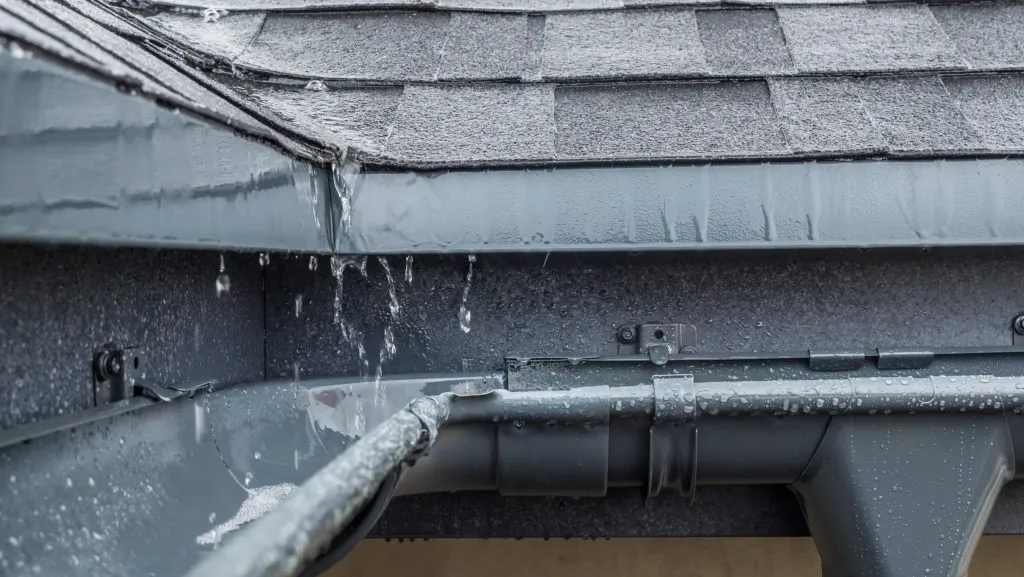
Why do metal roofs leak? Despite their strength and durability, metal roofs are not indestructible, and leaks can occur even when they are properly installed. Steel roofing is a popular choice due to its longevity and low maintenance requirements. However, there are several reasons why metal roofs can leak.
In this article, we’ll take a closer look at five common causes of metal roof leaks, so you can better understand what to look for and how to prevent them. From poor installation to weather-related damage, we’ll cover the most significant factors that can impact the integrity of your metal roof. By the end of this article, you’ll have a better understanding of how to identify and address potential leaks to keep your steel roof performing at its best.
Common Reasons Why Metal Roofs Leak
1. Metal Roofing Screws
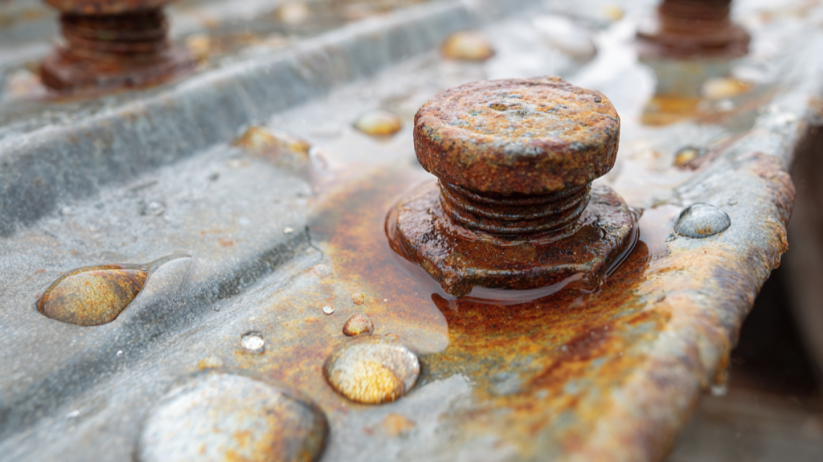
Leakages on metal roofs are most often caused by roofing screws. The rubber washer that is attached to metal roofing screws helps seal out water. The rubber washer acts as a “gasket” between the metal roofing panel and the screw head when the screw is driven into it. Although it sounds easy, many things can go wrong. For example, you could drive screws too far, at an incorrect angle, or miss the framing member.
Screws that have been overdriven: Many roofing companies will drive the screw beyond its recommended torque to maintain a tight seal between the metal roof and the head. Unneeded torque can cause damage to the rubber washer, and it tends to spin out to one side.
Underdriven Screws: These are caused by not enough torque to properly install the rubber washer to the metal roofing panels. The rubber washer is not compressed and there is no gasket.
Screws driven at an incorrect angle: This prevents the rubber washer from sitting flat on the metal roofing. One part of the screw has been sealed, but another isn’t.
Screws that have missed the metal or wood framing beneath: These screws have no seal. These leaks can be difficult to spot because the screw may have missed the metal strut or wood framing below. However, you won’t be able to tell if it hit anything and did not seal.
The rubber washer can still be damaged even if the screws are correctly installed with the correct torque. Rubber washers can be damaged by hot summers and cold winters. They can degrade and lose their seal, making it difficult to identify which screw is leaking.
2. Stack Flashings
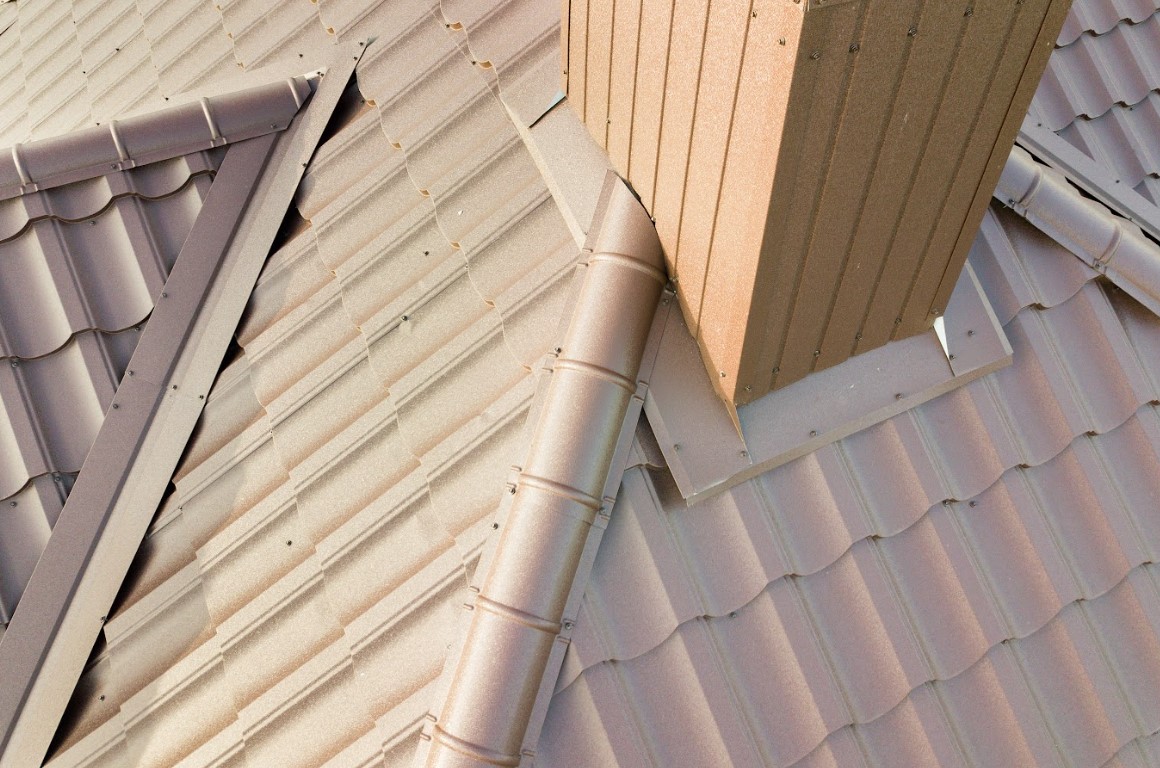
The area around stack flashings is another area that can be prone to leaks in a metal roof. Stack flashings refer to the “boots” or flashings that surround pipes coming out of the metal roofing. HVAC vents, air vents, and plumbing pipes must all vent through the metal roof. The pipe’s waterproofing is done by the stack flashing. Most stack flashings consist of rubber or rubberized materials that are flat on the metal roof. They form a seal and then “squeeze” around the pipe to create another seal. These seals are constantly tested by the movement of metal roofing due to expansion and contraction.
Rubber flashings also get deteriorated by the sun, which can cause them to last half as long as the metal roof. The more caulking, sealant, or tar placed around the stack, the more they will leak and pond water. To maintain your building’s dryness, make sure you replace worn or rotten flashings.
.png)
3. Sealants Missing
Metal roof sealants installed with a metal roofing panel rarely last as long and should be replaced regularly. Sealants around metal roof transitions and under metal ridge caps, Z flashings, counter flashings as well as pitch pans need to be “topped up” as they wear. A metal roof sealant is made specifically for metal roofing. Some silicone caulkings are not compatible with the paint on roofing panels and trims. Metal roofing is subject to a daily expansion and contraction cycle. Sealants must be flexible enough to allow the metal to stretch and move with them without breaking their seal.
4. Curb Flashings
Metal roofs have HVAC units that are often placed on curbs. Although installing metal roof panels is simple, flashing can be a challenge. HVAC units have a very limited margin for error in fabricating flashing. It can also be difficult to keep a curb dry. For larger HVAC units, the areas at the top of the curbs and the corners of the curb flashing can be difficult. Water can often get trapped behind HVAC units and “stands” behind flashing, which eventually erodes sealants and causes leakage. Water will retain more if you seal, caulk, or tar the side facing uphill. This Catch 22 can be difficult to fix without removing metal roofing panels.
5. Overlaps and Seams
The capillary draw is a condition where two pieces of roofing overlap each other. Capillary draw occurs when water travels uphill between two metal pieces that are tightly connected. Butyl tape or sealant between the metal pieces can cause capillary draw to break. However, if it isn’t used properly, leaks can be worse than if no sealant was used.
Need Professional Roof Leak Repair?
Is your roof leaking? Don’t wait for the problem to get worse. Contact All Star Roofing today for professional roof leak repair services. Our team of experienced roofing professionals will quickly diagnose the issue and provide you with a cost-effective solution to protect your home or business. Don’t let a leaky roof cause further damage. Call us now and let us take care of it for you!
Recent Articles

Residential Roofing
The Hidden Dangers of Roof Deck Damage in Humid Florida Homes
Discover how Florida’s humidity leads to roof deck damage, hidden leaks, and costly repairs, plus how Allstar Roofing & Repair Inc. helps protect your home year-round.
December 7, 2025
Residential Roofing
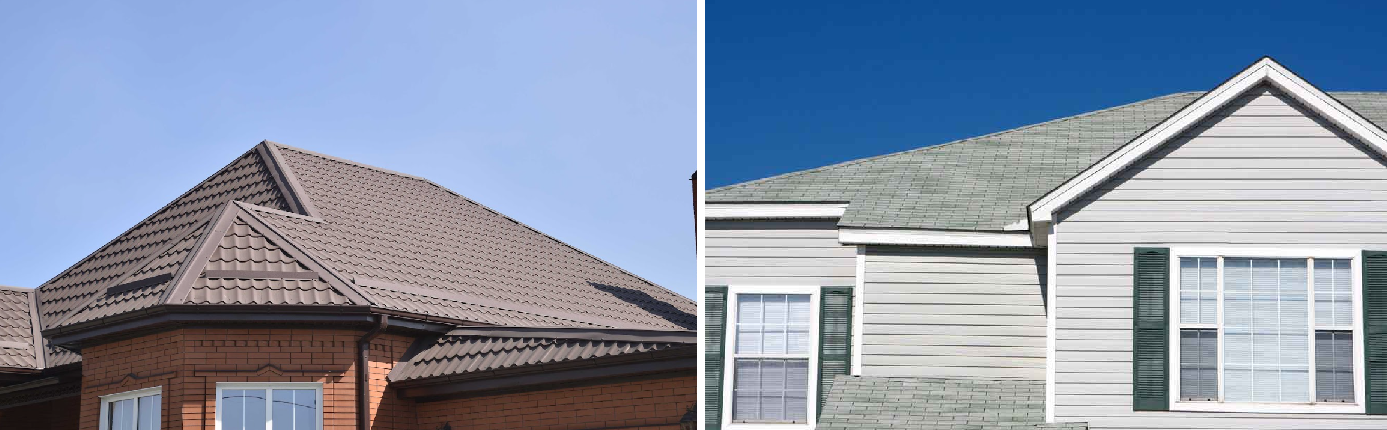
Metal Roofs vs Shingle Roofs in Tampa: Which Lasts Longer?
Compare metal vs shingle roofs in Tampa. Discover which roof offers the best lifespan, energy savings, and storm protection from Allstar Roofing & Repair Inc.
December 5, 2025
Residential Roofing
Why Regular Flashing Inspections Save You Thousands in Roof Repairs
Your roof flashing may be small, but it does big work, keeping rain, heat, and humidity where they belong: outside. A quick inspection today can prevent major repairs down the road.
December 3, 2025

Residential Roofing
Roof Maintenance in Tampa: The Seasonal Guide to Florida’s Toughest Roof Challenges
Protect your Tampa roof year-round with expert roof maintenance tips. Learn how to handle Florida’s heat, humidity, and storms with help from Allstar Roofing & Repair Inc.
December 1, 2025